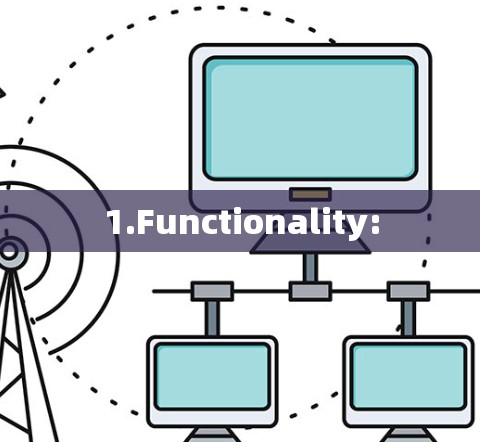
1.Functionality:
VPNs, or Virtual Private Networks, are tools that allow users to access the internet without being blocked by their current ISP, offering a secure and convenient way to navigate the web. Here's a structured overview of their role in privacy and functionality:
- Public VPNs: Allow access to the internet without encryption, offering ease of use and avoiding ISP blocks. Suitable for those seeking convenience and ease of access.
- Private VPNs: Use encryption to secure data, ensuring privacy and security. Suitable for those needing speed and protecting their information.
-
Privacy Considerations:
- Encryption vs. Speed: Private VPNs use stronger encryption, offering better protection but at the cost of slower speeds. Public VPNs are simpler but less secure.
- Data Collection: Some VPNs may collect personal information, which is a concern. Consider policies that limit data collection unless necessary.
-
Types and Options:
- Free vs. Paid: Free VPNs offer convenience but may not provide the same level of security as paid options. Paid VPNs offer features like ad-free browsing but come at a higher cost.
- Device Settings: Adjust encryption levels and block types in the settings to tailor browsing experience.
-
Real-World Application:
Use VPNs for convenience, but be mindful of potential restrictions on freedom if necessary.
-
Technical Aspects:
VPNs redirect traffic using servers, which employ encryption to ensure security. Understanding encryption methods is crucial for effective use.
-
Legal and Regulatory Considerations:
Different countries may have varying regulations affecting VPN use. Consider local laws and regulations.
-
Cost and Features:
Evaluate the cost of each plan, including included features. Consider reputation and reliability of the VPN provider.
-
Content Handling:
Most VPNs allow encrypted streaming, ensuring content is accessible without being blocked by ISP.
In conclusion, while VPNs offer a secure and accessible way to use the internet, they come with trade-offs in terms of speed, privacy, and functionality. The choice depends on individual needs, whether to prioritize speed, privacy, or both.
相关推荐
-
VPN 的作用
vpn 是指 Virtual Private Network(虚拟私 nets)的缩写,VPN技术用于在不直接连接到互联网的情...
-

Pulse VPN,连接之上的安全防线
在信息时代,网络安全已成为保护个人和企业的核心任务,而VPN作为连接外部网络的桥梁,其安全性自然是重中之重,传统的VPN连接中...
-
VPN(Virtual Private Network,VPN)作为一种重要的网络服务,确实有一些潜在的缺点和问题,尤其是在安全性和隐私方面。以下是VPN可能存在的坏处
加密不足 低加密率:许多VPN使用较低的加密强度,例如128位或256位加密,这可能导致部分数据或通信无法被加密,即使加...
-
福利vpn,通信领域的新希望
随着数字技术的不断进步,通信技术已经从简单的数据传输发展为复杂的数据处理和信息管理,在这一过程中,为了提升用户体验、优化网络性...
-
是的,确实有一些免费VPN服务,可以帮助你快速观看视频或免费分享内容。以下是几个常见的免费VPN推荐
FreeTV:这是一个免费的在线VPN平台,提供多种视频平台的在线观看服务,如YouTube、Netflix、Spot...
-
安卓手机VPN,安全配置与最佳实践
在如今快速发展的数字时代,手机已经成为我们日常生活中不可替代的工具,随着网络技术的飞速发展,手机网络安全也随之提升,安卓手机V...